

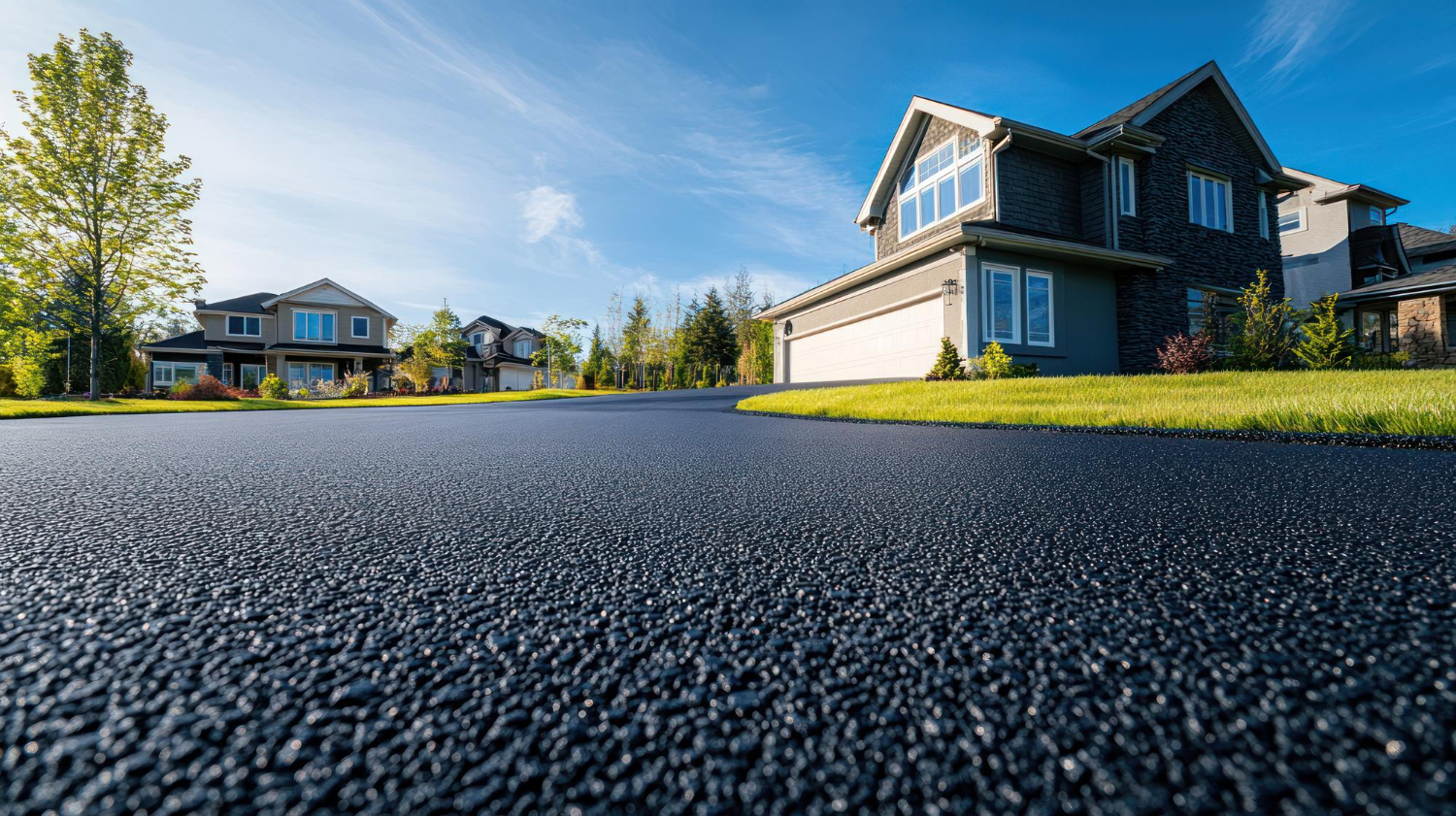
A new asphalt driveway is one of the best upgrades you can make to your property. It adds curb appeal, improves functionality, and delivers a smooth, long-lasting surface that feels great to drive on. Still, fresh asphalt needs a little care during the early stages. Taking the right steps in the first few months protects your investment and prevents issues like soft spots, surface wear, and tire marks.
At GPS Paving, we help homeowners throughout California, including areas like Perris, CA and Riverside County, get the most out of their new driveway asphalt. This guide explains the essential do’s and don’ts, why tire marks show up, how to prevent them, and when to sealcoat your driveway for long-term protection.
Understanding How New Asphalt Cures
Asphalt does not harden overnight. It continues curing and strengthening for several months. During this period, heat, pressure, and vehicle traffic can leave temporary marks on the surface. That is completely normal. Asphalt contains oils that rise to the top as it cures. These oils react to weight and heat, especially in regions such as Perris, CA where temperatures can run high during the summer months.
This is why tire marks, light scuffs, and minor surface impressions can appear. The good news is that these marks fade as the asphalt fully hardens. With proper care, your driveway will continue curing evenly and develop the rich, dark finish homeowners love.
The First 48 Hours: What Homeowners Should Do
The first two days after installation make a big difference. New asphalt is soft and needs time to set.
Do’s
- Keep the driveway completely free of vehicles. Even light cars can leave ruts before the asphalt settles.
- Keep the surface clean. Leaves, debris, and dirt can stick to the new material.
- Allow natural airflow. Shade or coverings trap heat and delay curing.
- Walk lightly if needed. Foot traffic is fine as long as you avoid sharp heels or dragging items.
Don’ts
- Do not park on the driveway. Even a short stop can leave dents.
- Do not wash the surface. Water disrupts early curing.
- Do not use chemicals or cleaners. They break down bonding oils.
The First Week: Protecting Your New Surface
Once the initial setting period has passed, the asphalt is firm enough for basic use but still sensitive to pressure.
Follow these tips for the best results:
- Wait 24 to 48 hours before driving on it. This gives it enough time to hold light traffic.
- Avoid parking in the same spot. Move your vehicle to distribute weight evenly.
- Avoid tight turns while standing still. Turning tires without rolling forward creates scuff marks.
- Postpone heavy loads. Construction equipment, RVs, and delivery trucks should stay off the driveway for at least seven days.
If you need more care instructions, visit our service pages such as Asphalt Installation and Paving or Asphalt Maintenance and Protection for deeper guidance tailored to properties in communities like Riverside, CA and surrounding areas.
Why Tire Marks Appear on New Driveway Asphalt?
Tire marks are one of the most common concerns homeowners have after a new installation. The marks typically show up because the asphalt contains oils that rise to the top during curing. Heat and pressure activate these oils, which is why the marks are more noticeable on hot afternoons or when turning tires in place.
Researchers studying tire and pavement interaction found that when asphalt is still flexible, the combination of tire pressure, surface temperature, and slow turning motions creates concentrated shear stress on the top layer. This stress can shift the binder and fine aggregates slightly, creating the light scuffing you see on newer pavement. As the surface stiffens during curing, these micro-distortions stop appearing and existing marks naturally fade.
The important thing to know is that these marks are rarely permanent! As the asphalt cures, the oils settle deeper into the surface and the marks fade naturally.
How to Prevent Tire Marks During the Curing Phase
Some marks are unavoidable, but you can minimize them with a few simple habits.
Helpful practices include:
- Avoid sharp turns. Always roll forward or backward before turning the wheels.
- Reduce heavy traffic. Especially during the first few weeks.
- Do not leave vehicles sitting in one spot for long periods. This distributes pressure more evenly.
- Keep the surface swept and clean. Dirt and debris amplify scuffs.
These basic habits keep the driveway looking fresh while strengthening the surface over time.
When to Sealcoat a New Asphalt Driveway
Sealcoating is one of the most effective ways to protect your driveway. It shields the asphalt from UV rays, rain, vehicle fluids, and daily wear. Still, sealing too soon can trap uncured oils inside and lead to peeling or uneven texture.
At GPS Paving, we recommend waiting three to six months before applying the first sealcoat. By this stage, the asphalt is firm, stable, and ready for a protective finish that lasts.
Our process includes:
- Rubberized crack filling to prevent cracks from spreading.
- A latex-based sealcoat that adds durability and a smooth, dark finish.
We also recommend resealing every two to three years to protect the driveway under California’s climate conditions. You can read more on our Sealcoating Services page.
Early Signs Your Driveway Needs Maintenance
Even a well-built driveway needs attention from time to time. Here are common signs that maintenance is due:
- Fading or a dull surface
- Early cracking or small fractures
- Rough or worn texture
- Water pooling
- Patchy or uneven color
If you notice these symptoms, our Asphalt Repair and Restoration team can help restore the surface and prevent expensive fixes later on.
FAQ: Common Questions About New Driveway Asphalt
How long does asphalt take to cure completely?
Most driveways cure within three to six months, but traffic can resume within days.
Are tire marks permanent?
No. They fade as the driveway hardens and the oils settle.
Can I pressure wash new asphalt?
Avoid pressure washing during the first few months. High-pressure water disrupts curing.
When should I schedule my first sealcoat?
Three to six months after installation provides the best results.
How often should I reseal my driveway?
Every two to three years is ideal for California’s climate, including Riverside County.
Final Thoughts: Protect Your New Investment
A new asphalt driveway adds beauty and strength to your home. The early stages require a little patience. By avoiding heavy loads, limiting sharp turns, keeping the surface clean, and sealing it at the right time, you protect the driveway from premature wear and get long-lasting results.
If you want expert help with new installations, repairs, or sealcoating, our team is here. Visit our Asphalt Installation and Paving page or request an estimate through our Contact page to get started.